
Things to Do in Kolkata in September
September weather, activities, events & insider tips
Low Season · Budget Friendly
September Weather in Kolkata
Long-run averages for September
90°F (32°C)
High Temp
79°F (26°C)
Low Temp
12.8 inches (325 mm)
Rainfall
86%
Humidity
10
Sunny-Day UV
⚠ Street flooding hits hard after heavy rain. Low-lying zones around Park Circus, Ultadanga, and south Kolkata near Rashbehari Avenue suffer most. Water hits knee-height within an hour. It stays until municipal pumps clear drains. Roads shut down. Streets become impassable without waterproof boots. Check conditions before you head out.
⚠ Dengue risk spikes during monsoon months. Mosquitoes carrying the virus peak now. Use DEET repellent at 30% concentration minimum. Dawn and dusk are danger hours. Aedes mosquitoes hunt then. Pick lodging with screened or sealed windows. Standing water breeds mosquitoes across the city. Municipal fogging cannot keep pace in September.
⚠ Humidity plus heat kills faster than heat alone. At 32°C (90°F) and 86% humidity, it feels above 40°C (104°F). Your body cannot cool itself. Sweating fails. Carry water always. Seek air conditioning often. Watch for dizziness. Nausea matters. Sudden sweating stops mean emergency. Treat these signs as urgent.
Making the most of September in Kolkata? Browse tours and activities in Kolkata on GetYourGuide.
Is September Right for You?
Weigh the advantages and considerations before booking
Advantages
- + September brings peak ilish season. The silvery, oil-rich hilsa swims upstream through the Hooghly, and this is arguably the single greatest reason to eat in Kolkata. The fish arrives at its fattest and most intensely flavored. The entire city seems to reorganize its menus around it.
- + Kumartuli's idol-making workshops hit their creative peak as Durga Puja approaches. Hundreds of artisans shape enormous clay figures from river mud in lanes you can walk through freely. Access to a living craft tradition at this intensity is rare anywhere in the world.
- + Tourist numbers drop to their annual floor. Landmarks like the Indian Museum and Victoria Memorial feel uncrowded. You can linger in galleries and corridors without competing for space or sightlines.
- + Accommodation rates tend to fall to their lowest point of the year. Rooms that would cost a serious premium during October's Durga Puja festival are available at a fraction of the rate.
Considerations
- − Streets across central and south Kolkata flood regularly after heavy downpours, sometimes reaching knee-height within an hour. Low-lying areas around Park Circus, Ultadanga, and parts of Rashbehari can remain waterlogged for hours until pumps clear the drains. Transport gets disrupted. Simple walks become obstacle courses.
- − The humidity at 86% combined with highs of 32°C (90°F) makes extended outdoor walking exhausting. The felt temperature runs well above what the thermometer reads. Even short excursions leave you soaked through with sweat.
- − Mosquito populations peak during monsoon, and dengue risk is elevated across the city. Dawn and dusk hours require serious attention to repellent. Choosing accommodation with screened or sealed windows matters more now than at any other time of year.
Settled on September? Compare hotel prices in Kolkata for your dates on Trip.com.
Best Activities in September
Top things to do during your visit
September in Kolkata arrives wrapped in warm rain. The monsoon, which began hammering the city in June, still delivers an average of 12.8 inches of rainfall through the month, though the daily rhythm has shifted from July and August's relentless 14.6-inch downpours into something more theatrical. Mornings open with close, sticky air and a sky the colour of wet slate. Then they crack open with cloudbursts that turn Sudder Street into a shallow canal and send the chai sellers under their corrugated awnings. Between the squalls, the sun cuts through in long diagonal shafts, turning every puddle on Park Street into a mirror. Temperatures hold steady, rarely climbing above 32 degrees Celsius during the day or dropping below 26 at night. The heat never quite relents. Neither does it spike the way it does in April and May's punishing pre-monsoon weeks. The air smells of wet concrete, marigold garlands, and the faintly sulphurous tang of the Hooghly River at high tide. Kolkata in September is not a sanitised tourist experience. That is precisely its appeal. The city empties of the winter-season crowds who arrive between November and February. The marble corridors of the Victoria Memorial echo with your own footsteps. The narrow lanes of Kumartuli, where artisans are already sculpting clay idols for next month's Durga Puja, invite lingering rather than dodging elbows. Restaurants along Park Street and the Esplanade area seat you without a wait. The monsoon transforms the East Kolkata Wetlands into a luminous green expanse of water hyacinths and working fish ponds. For anyone willing to carry an umbrella and a waterproof bag, September is when Kolkata reveals its least performed self: the city at work, at worship, and at the stove, preparing for the enormous celebrations just around the corner. The practical question of safety comes up often among first-time visitors. Kolkata is a walkable city with a well-used metro and a deep tradition of street life that keeps eyes on every lane from dawn well past midnight. The standard precautions of any major South Asian city apply. The density of pedestrian activity along stretches like College Street, New Market, and Gariahat means isolation is rare. September's rain does make footing treacherous on older pavements, so shoes with grip matter more than you might expect. Kolkata has no beaches to speak of. What it does have is one of the great river-front cities of Asia, where the Hooghly's brown current carries ferries, flower offerings, and cargo barges past the Howrah Bridge at all hours.

Kolkata's Flower Market - Hooghly's Flower Fest Tour
guided_experienceThe Mullick Ghat flower market opens before the sun does. A guided tour through this spectacle along the Hooghly is the sharpest way to understand how Kolkata moves its devotion from warehouse to temple. Thousands of garlands, loose jasmine blossoms, and marigold heads arrive by truck and boat each night. By four in the morning the air under the market's iron roof is so dense with pollen and fragrance that your eyes water. Porters wade through knee-deep drifts of roses sorted by colour while wholesalers negotiate in rapid Bengali, their voices cutting through the wet slap of stems being trimmed on stone slabs.
The largest flower market in Asia operates at a scale and sensory intensity that no photograph prepares you for.
Insider tip: Arrive at the start time the guide sets, which is typically pre-dawn. By eight the wholesale rush is over and you will see only the stragglers sweeping petals into the gutter.
This month: September's monsoon rains soak the flower market floor into a fragrant slurry of petals and mud, so waterproof footwear is essential rather than optional.

Cycle the Kolkata Wetlands and Amazing Views
otherCycling the East Kolkata Wetlands in September means rolling along raised embankments above a vast, flooded landscape where fish ponds merge into lotus beds and water hyacinths stretch to the horizon in an unbroken green field. This is one of the world's largest functioning wastewater-recycling ecosystems. From a bicycle seat you move through it at exactly the right speed: slow enough to hear the kingfishers shriek from power lines and spot monitor lizards sliding off the banks, fast enough to cover the scale of the system, which extends across thousands of hectares east of the city. The flat terrain and absence of vehicular traffic make this ride technically easy. September's soft ground along some stretches demands attention to your line.
A working wetland ecosystem on the edge of a city of fifteen million people, seen from a bicycle at the pace the landscape deserves.
Insider tip: Bring a microfibre towel and a dry bag for your phone. Even rides that start dry can end in a sudden downpour that drenches everything in minutes.
This month: The wetlands reach peak water levels in September after months of monsoon, expanding the flooded area and concentrating wading birds along the embankment edges where cyclists ride.

In the Footsteps of the Raj - Dalhousie Square Walk
walking_tourDalhousie Square, now officially BBD Bagh, is the administrative heart the British East India Company built to run a subcontinent. A walking tour through its colonnaded buildings is an education in imperial ambition rendered in crumbling plaster and soot-streaked Corinthian columns. The General Post Office, with its towering dome modelled after St. Paul's Cathedral, still is a working post office. Inside, the cool marble floors and the scratch of pen nibs at the telegram counter feel like a time slip. The walk threads past Writers' Building, the red-brick seat of Bengal's bureaucracy, the old Currency Building, and St. John's Church, where Warren Hastings once worshipped beneath fans pulled by rope.
The densest concentration of colonial-era architecture in Kolkata compressed into a single walkable square, narrated by a guide who can decode the stories the buildings carry.
Insider tip: Schedule this walk on a weekday morning when the government offices around the square are open and active. This adds the sound and movement of a functioning administrative district rather than the silence of a weekend ghost block.
This month: September showers can arrive without warning in this area, and the covered arcades of the old GPO and Currency Building provide natural shelter where the guide can continue the narrative without interruption.

Authentic Bengali Cooking Class in a Local Kolkata Home
foodA cooking class inside a Kolkata home is the fastest path to understanding why Bengali food operates on a different axis from the rest of India. The meal builds around the Bengali principle of sequential courses, from bitter to sweet, each calibrated to the one before it. You will stone-grind mustard seed into a paste so pungent it stings your sinuses, temper whole spices in smoking mustard oil until they crackle and pop, and fold banana-leaf parcels around marinated fish that steam into a silky, turmeric-stained flesh. The kitchen itself is part of the lesson, a domestic workspace where the instructor explains why a certain clay pot matters for a particular dal, and why the sugar in Bengali cooking is date palm jaggery, not refined white.
Bengali cuisine is one of India's most sophisticated regional traditions, and learning its grammar in a home kitchen reveals logic that restaurant menus never explain.
Insider tip: Ask your host to include a shukto course, the bitter vegetable dish that opens a traditional Bengali meal and is almost impossible to find in restaurants outside Kolkata.

Mesmerising Kolkata Private Customised Day Tour
guided_experienceA full-day private tour across Kolkata lets a guide sequence the city's contradictions in a way that self-directed wandering rarely achieves. The route typically threads from the colonial grandeur of the Victoria Memorial, where white Makrana marble gleams even under overcast September skies, through the tangled lanes of North Kolkata where terracotta mansions with carved wooden balconies are slowly being eaten by banyan roots, and on to Kalighat, where the temple's iron bells clang in continuous percussion and the smell of incense and crushed hibiscus flowers saturates the corridor leading to the inner sanctum. The customisable itinerary means you can weight the day toward architecture, food, or neighbourhood walking, depending on what pulls you.
Kolkata is a city that rewards narrative sequence over checklist sightseeing, and a guided day tour provides the connective tissue between districts that feel like separate cities.
Insider tip: Ask your guide to include a stop at a North Kolkata sweet shop for fresh sandesh and rosogolla, timed for mid-morning when the day's first batches come off the moulds and the texture is still cool and yielding.

Photography Tour of Mesmerizing Markets of Kolkata
guided_experienceKolkata's markets are visual theatre at a density that rewards a camera and a guide who knows where to stand. This photography tour routes through the compressed lanes of New Market, where butchers hang ruby-red goat carcasses beside pyramids of green chillies and turmeric root, through the paper-and-ink warrens of College Street where second-hand booksellers stack volumes to the ceiling in stalls lit by single bare bulbs, and into the Kumartuli potters' quarter where, in September, artisans are deep into sculpting the massive clay figures of Goddess Durga that will be paraded and immersed next month. The guide positions you for compositions that use the narrow geometry of the lanes, the raking light through torn awnings, and the movement of porters balancing impossible loads on their heads.
The photographic density of Kolkata's market lanes is unmatched in South Asia, and a guide who knows the vendors secures access and angles a solo visitor would never find.
Insider tip: Bring a fast prime lens in the 35mm to 50mm range rather than a zoom. The lanes are too narrow for long focal lengths, and the low light under market roofs demands every stop of aperture you can get.
This month: September is the peak sculpting season in Kumartuli as artisans race to complete Durga Puja idols for the October festival, making this the single best month to photograph the clay-figure workshops at full intensity.
Where to Stay in Kolkata in September
Hand-picked hotels across price tiers for September travellers.
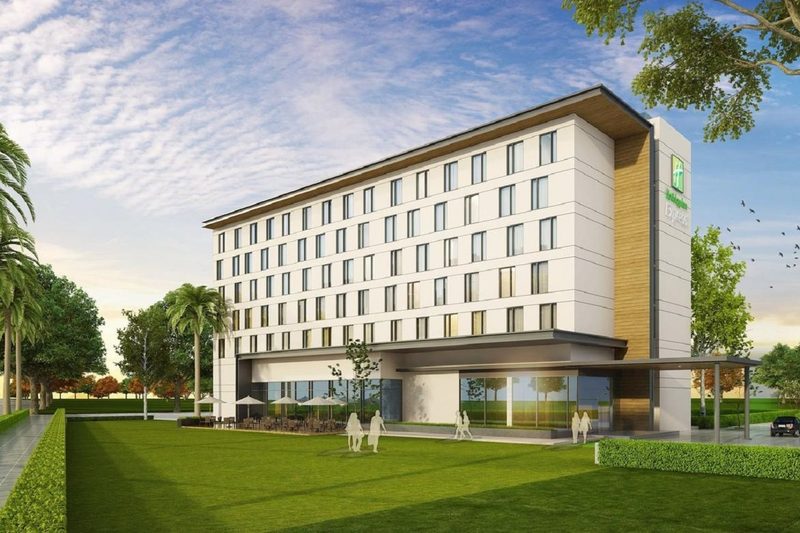
★★★★
Mid-Range
Holiday Inn Express KOLKATA AIRPORT by IHG
From $47 / night
Check Prices on Trip.com →
Public Holidays in September
Dates that affect opening hours, transport and crowds
Dussehra
Observed nationwide as a public holiday. Date calculated from the national holiday calendar.
Packing Checklist
Bookmark this page — your progress is saved between visits
Need the full list with shopping links?
Climate-specific gear, brand recommendations, and what to leave at home.
View Kolkata Packing List →Essential Tips
Insider knowledge and common pitfalls to avoid
Insider Knowledge
Kolkata's best eating in September revolves around ilish maach. Order it as sorshe ilish, cooked in sharp, nose-clearing ground mustard paste. Or try bhapa ilish, steamed inside a banana leaf parcel until the oil-rich flesh turns silky enough to fall apart at a touch. The century-old Bengali restaurants near Esplanade and along College Street serve this seasonal prize at its most uncompromising. September fish tends to be fattier and more intensely flavored than what arrives earlier in the monsoon. If you eat one meal out in Kolkata this month, make it an ilish meal.
Kolkata's metro, India's oldest, opened in 1984. It is air-conditioned and runs along the north-south spine of the city underground. In September it is not merely convenient transport but a genuine survival tool. Ducking underground for even a two-station ride resets your body temperature and dries your clothes under the carriage fans. The newer East-West line now connects Howrah Station to Salt Lake. You can cross the Hooghly without fighting bridge traffic or sitting in a waterlogged taxi.
Hand-pulled rickshaws still operate in parts of north Kolkata around Bagbazar and Shyambazar. During September floods they become the most practical transport available. The pullers know exactly which lanes are passable when taxi drivers and auto-rickshaws have given up entirely. Kolkata's yellow Ambassador taxis, meanwhile, are supposed to run on meters but frequently refuse short trips in the rain. Ride-hailing apps tend to work better for point-to-point monsoon transport. Increase pricing kicks in fast during heavy downpours.
If your visit falls near the end of September, the city begins its slow transformation for Durga Puja. Bamboo-and-cloth pandal structures start going up on major intersections along Southern Avenue, Deshapriya Park, and Ekdalia. They are still skeletal and raw at this stage. But fascinating to watch as teams of workers shape them through the rain. Ask the organizers about their artistic theme for the year. It is the easiest conversation starter in the city. Some committees have been competing with each other for decades.
Avoid These Mistakes
Do not wear leather shoes or fabric sneakers that cannot handle submersion. Kolkata streets flood unpredictably in September, sometimes shin-deep within an hour of a downpour. Wet leather blisters are a guaranteed misery by evening. Waterproof sandals with a back strap and textured sole are what locals wear through the monsoon. Trust their judgment.
Never schedule full-day outdoor itineraries without a long midday retreat to air conditioning. The combination of 32°C (90°F) heat and 86% humidity is physically draining in a way that surprises even travelers from other tropical cities. The sweat simply does not evaporate, so your body's cooling system is effectively disabled. Plan outdoor activity before 10 AM and after 4 PM, with a cool indoor break in between. The Indian Coffee House on College Street, open since 1942, is the kind of place where you can sit for two hours over a single cup of coffee and nobody minds.
Do not skip Kolkata's street food because the roadside hygiene looks alarming to unfamiliar eyes. The phuchka stalls, the jhalmuri carts, the egg roll counters are, counterintuitively, among the safest food options in India. Turnover is enormous and everything hits a screaming-hot griddle or deep fryer. The risk is not the cart with a queue of twenty locals deep. The risk is the quiet, tourist-facing restaurant with a buffet sitting at room temperature under a ceiling fan. Follow the crowd. Eat where Kolkata eats. You will likely be fine.
Short on time? See day trips around Kolkata on GetYourGuide.
Ready to plan your trip to Kolkata?
Now that you've got the research covered, here's where to go next.
Explore More Activities in Kolkata
Didn't see anything interesting yet?
Browse Viator's full catalog of tours, day trips, food experiences, and private guides in Kolkata.
See All Kolkata Tours on Viator