
Things to Do in Kolkata in July
July weather, activities, events & insider tips
Low Season · Budget Friendly
July Weather in Kolkata
Long-run averages for July
90°F (32°C)
High Temp
80°F (26°C)
Low Temp
14.6 inches (371 mm)
Rainfall
86%
Humidity
23
Rainy Days
11
Sunny-Day UV
⚠ Expect severe waterlogging after heavy downpours. Low-lying areas around Gariahat, Behala, and parts of EM Bypass can flood knee-to-waist-deep within hours. Traffic gets stranded. Crosstown travel becomes impossible until the water drains. Avoid ground-floor hotel rooms in flood-prone neighborhoods. Keep a day's flexibility in your itinerary. Stay alert.
⚠ Dengue and mosquito-borne illness risk rises sharply in July due to standing water across the city. You must protect yourself. Apply repellent consistently at dawn and dusk. Choose accommodations with screened windows or functioning air conditioning that allows you to keep windows closed at night. Do this daily.
⚠ Sudden intense squalls can arrive with minimal warning. They bring heavy rain, lightning, and wind gusts strong enough to topple signage and snap tree branches. If the sky darkens rapidly and the wind picks up, move indoors immediately. Kolkata's monsoon lightning is a real hazard in open spaces like the Maidan. Watch the sky.
Making the most of July in Kolkata? Browse tours and activities in Kolkata on GetYourGuide.
Is July Right for You?
Weigh the advantages and considerations before booking
Advantages
- + Ilish season peaks in July. Kolkata is the world capital of hilsa cooking, steamed in mustard paste, wrapped in banana leaf, fried with nigella seeds. This single fish reshapes the entire city's menu for the month, from hole-in-the-wall kitchens in Shyambazar to century-old Park Street institutions like Flurys and Peter Cat. You will not eat hilsa this good anywhere else on earth, at any price, in any other month.
- + Tourist crowds thin to nearly nothing. You'll have the marble corridors of the Victoria Memorial largely to yourself on a weekday morning. The flower sellers at Malik Ghat won't be performing for cameras. They'll just be working. That is when the place is at its most honest.
- + Accommodation prices drop noticeably from the October-through-March high season. Hotels that need reservations weeks ahead during Durga Puja often have same-week availability in July. You'll likely find room to negotiate on rates.
- + Kolkata's monsoon carries a specific beauty the dry months can't replicate. Rain-slicked tram tracks catch late-afternoon light on Rashbehari Avenue. Thunderheads gather over the Hooghly at dusk. The smell of wet earth and neem rises off the Maidan's open ground. The city's literary and musical life intensifies indoors during the rains. Evening concerts at venues around Rabindra Sadan tend to pick up as the outdoor calendar moves under roofs.
Considerations
- − Waterlogging is the real obstacle. After a heavy downpour, and July delivers several, low-lying areas around Gariahat, parts of EM Bypass, and stretches near Sealdah Station can flood knee-deep within an hour. Getting across the city by taxi or auto becomes a slow, uncertain negotiation with standing water. Even short distances can take an hour or more.
- − The humidity sits at 86% and rarely lets up, even after dark. The air feels thick enough to lean against. Anything cotton stays damp. For travelers not accustomed to subtropical monsoon conditions, this is exhausting. Walking fifteen minutes leaves you soaked through from your own sweat before any rain touches you.
- − Outdoor sightseeing windows are unpredictable. July averages 23 days with measurable rain. Mornings are often the clearest stretch. A downpour can arrive with twenty minutes of warning and last anywhere from thirty minutes to half a day. Planning a full day of open-air temple visits or Maidan walks requires flexibility you might not have on a short trip.
Settled on July? Compare hotel prices in Kolkata for your dates on Trip.com.
Best Activities in July
Top things to do during your visit
Kolkata in July belongs to the monsoon. Afternoon skies over the Maidan darken to charcoal in minutes. Rain arrives not as a drizzle but as a wall of warm water hammering the corrugated rooftops of north Kolkata's lanes, pooling in the tram tracks along Esplanade, turning the Hooghly River from its usual olive-brown to churning grey. Temperatures sit around 32°C during the day and rarely drop below 26°C after dark, so the air stays thick and close even after a downpour lifts. The city absorbs nearly fifteen inches of rain across the month, more than double June's total. Streets in low-lying neighborhoods like Behala and stretches of Salt Lake can flood ankle-deep for hours after a sustained afternoon burst. You can visit Kolkata in July. Yes. But you need to dress for it, plan around it, and lean into it rather than fight it. Kolkata during the monsoon isn't a city suffering through rain. It is a city that has learned to fold rain into its daily texture. Tea stalls under striped awnings do their briskest trade now, serving milky cha in terracotta cups that feel warm and rough in your hands while lightning cracks over Howrah Bridge. This is the season when Bengali kitchens turn to comfort food with an almost ceremonial focus. Khichuri, soft rice and lentils cooked down with cumin and ghee until the whole pot smells like toasted earth, gets paired with slices of fried begun bhaja and, above all, ilish maach. The silvery hilsa fish swims upstream from the Bay of Bengal into the river systems during the monsoon and lands on nearly every Kolkata table, from market stalls in Gariahat to the white-tablecloth restaurants on Park Street. The wet season thins tourist numbers considerably. That carries its own reward. You'll find yourself largely alone at sites that in the cooler months draw long queues. Whether July is right for your trip depends on what you want. If dry weather and easy walking are non-negotiable, Kolkata between November and February is the more comfortable window. But if you want the city at its most atmospheric, July delivers something the dry months simply cannot. Rain-glossed streets reflect neon signage at night. Thunder cracks and echoes through the marble corridors of the Victoria Memorial. The earthy funk of wet jute and fresh marigold petals rises from the flower market at dawn. The food is better. The light is more dramatic. The pace of the city shifts into a slower, more reflective register that suits Kolkata's temperament.

Kolkata's Flower Market - Hooghly's Flower Fest Tour
guided_experienceThe Mullick Ghat flower market sprawls beneath Howrah Bridge at the edge of the Hooghly River, and in the pre-dawn hours it becomes one of the most intensely concentrated sensory environments in India. Porters shoulder head-high baskets of marigolds, tuberoses, jasmine garlands, and lotus blossoms through narrow aisles where the perfume is so dense it clings to your clothes hours afterward, and the shouts of wholesalers bidding over stacked crates echo off the iron girders of the bridge overhead. This guided tour walks you through the supply chain from the boats unloading at the ghat, their hulls still dripping river water, their decks heaped with white tuberose bundles, to the wholesalers arranging their lots on tarpaulins under bare bulbs, narrating the religious and commercial purpose of each flower along the way.
Few places in Kolkata compress so much color, fragrance, and raw human commerce into a single acre as Mullick Ghat at sunrise.
Insider tip: Arrive before 6 a.m. By half past seven the wholesale transactions are largely finished and the market loses much of its intensity. Wear shoes you can rinse off afterward, because the stone floors are slick with crushed petals and river water, and sandals will not grip.
This month: July's monsoon rains intensify the fragrance of the jasmine and tuberose lots. Humidity traps the scent at ground level. The open-air sections near the ghat can flood briefly during heavy morning showers, and the guided tour adjusts its route around waterlogged areas.

Cycle the Kolkata Wetlands and Amazing Views
otherThe East Kolkata Wetlands, a network of sewage-fed fish ponds, vegetable plots, and paddy fields stretching across roughly 12,500 hectares east of the city, is one of the largest functioning urban ecosystems on the planet, and cycling through it strips away every expectation you brought to Kolkata. The route follows raised earthen bunds between rectangular ponds where fish farmers cast circular nets from wooden platforms with a practiced flick of the wrist, and the flat terrain makes the ride manageable even if you are not a confident cyclist. Egrets, kingfishers, and open-billed storks pick through the shallows, and the air smells of warm mud and water hyacinth rather than the diesel and cooking smoke of central Kolkata.
This is the rare city ride where you leave pavement behind entirely and spend hours surrounded by water, birds, and working agriculture, all within the municipal boundary of a metropolis of fifteen million people.
Insider tip: Bring a dry bag or a thick plastic bag for your phone and camera. Even if rain holds off, spray from puddles along the bund paths is constant, and a sudden shower can arrive with five minutes' warning in July.
This month: The monsoon raises water levels across the wetland ponds significantly, which concentrates wading birds on the narrower exposed banks and can make wildlife sightings easier. But some bund paths may be submerged or muddy. Confirm route conditions with the operator before heading out.

In the Footsteps of the Raj - Dalhousie Square Walk
walking_tourDalhousie Square, now officially B.B.D. Bagh, is the administrative core that the British East India Company built around a central tank, and walking it with a knowledgeable guide converts what might otherwise be a confusing jumble of colonial facades into a legible narrative of trade, power, and resistance. The route passes the Writers' Building with its long red-brick frontage, the General Post Office whose Corinthian columns were modeled on St Martin-in-the-Fields in London, and St John's Church where Warren Hastings worshipped in the eighteenth century. The limestone and stucco exteriors show their age honestly. Peeling paint. Monsoon stains running in dark streaks down pilasters. Banyan roots prying apart stone balustrades. That weathering is part of the point. Kolkata wears its history visibly, on its skin.
No other walking tour in Kolkata compresses two centuries of colonial and independence history into such a tight, architecturally coherent radius.
Insider tip: The square is a government office district, so the buildings are most accessible on weekday mornings when doors stand open and clerks are at their desks. Weekend walks encounter locked gates at several of the most interesting stops.
This month: July showers can arrive suddenly while you are crossing the open square. Carry a compact umbrella and wear shoes with grip, as the flagstones around the central tank get dangerously slick when wet.

Authentic Bengali Cooking Class in a Local Kolkata Home
foodBengali cuisine operates on a logic most visitors have never encountered. A six-course meal structured around ascending intensity of flavor, from bitter (shukto) through sour, salty, pungent, and sweet, each dish calibrated against the others like movements in a composition. This cooking class develops in a family kitchen in a Kolkata residential neighborhood, where you learn to work with mustard oil, panch phoron, the five-spice blend of fenugreek, nigella, cumin, black mustard, and fennel seeds, and fresh produce hauled that morning from the local bazaar. The smell of mustard seeds crackling in hot oil, the sight of raw turmeric staining a marble mortar deep yellow, the first sharp taste of mustard paste on your tongue: these are the details that lodge in memory longer than any monument.
It is one thing to eat ilish maach at a restaurant. It is another to handle the fish yourself, rub it with turmeric and mustard paste, wrap it in a banana leaf, and cook it in a home where three generations have prepared this dish the same way.
Insider tip: Ask your host to include shukto, the bitter first course, even if it is not on the default lesson plan. Most visitors skip it. But shukto defines the structural logic of the Bengali meal, and learning to balance its bitterness with coconut milk is the single most transferable technique you will carry home.
This month: July is peak season for ilish (hilsa fish), which migrates upstream from the Bay of Bengal during the monsoon. This is the best time of year to cook with fresh, river-caught hilsa rather than the frozen or farm-raised stock available in drier months, and your host will almost certainly build the lesson around it.

Private Kolkata Custom Tour 2 Days: Flower Market, Mother House
guided_experienceA two-day private tour allows the kind of pacing that Kolkata rewards and single-day itineraries punish. Day one typically opens with the flower market before sunrise and folds in Mother Teresa's Mother House on A.J.C. Bose Road, a small, quiet building where her tomb rests beneath a plain stone slab, and where the Missionaries of Charity sisters still serve breakfast to the destitute each morning in the courtyard. The hush inside the chapel is startling after the roar of the street outside. Day two might move south to the Kalighat temple precinct, where the tang of incense and crushed hibiscus hangs in the heavy air, or north to Kumartuli, the potters' quarter, where artisans shape enormous clay images of Durga and Kali in open-front workshops no wider than a doorway, their hands slicked grey with wet clay. The private format means you can redirect on the fly. Linger at a chai stall. Duck into an used bookshop on College Street. Wait out a downpour in the Indian Coffee House's spiral-ramp dining hall over a plate of mutton cutlets.
Kolkata resists compression, and two full days with a guide who can read the weather and the rhythms of the city gives you space to experience it at the pace it moves.
Insider tip: Use the flexibility to schedule outdoor activities, the flower market, Kumartuli, any walking, in the early morning before rain typically builds, and save enclosed sites like Mother House, the Indian Museum, or the Victoria Memorial galleries for the wet afternoon hours.

Private Guided Day Trip to Santiniketan from Kolkata (Calcutta)
day_tripSantiniketan sits roughly 160 kilometers northwest of Kolkata in the red-laterite country of Birbhum district, and the drive out through the countryside, rice paddies flooded and shimmering an almost unreal green, the smell of wet earth rolling through the car windows, is itself reason enough to make the trip. Rabindranath Tagore founded Visva-Bharati University here in 1921 as an open-air school, and the campus still conducts classes under mango and sal trees, its grounds studded with murals by Nandalal Bose and sculptures by Ramkinkar Baij that stand outdoors in the weather rather than behind glass, their surfaces streaked and softened by decades of monsoon seasons. The town beyond the campus gates holds a concentration of Kantha embroidery workshops, batik studios, and terracotta-craft sellers that reflects Tagore's emphasis on local artistic traditions, and the weekly Sonajhuri haat on Saturdays draws Santhal tribal artisans selling handmade jewelry and woven textiles beneath a canopy of sal trees.
Santiniketan is the only place in India where a Nobel laureate's philosophy of art and education became an entire town. The architecture, the daily rhythms, and the creative economy are all direct expressions of Tagore's ideas.
Insider tip: Time your visit for a Saturday to catch the Sonajhuri haat, which operates under the sal grove and is far more genuine than the tourist-oriented shops lining the main road. The market runs from late morning into the afternoon regardless of rain.
This month: The monsoon drive to Santiniketan passes through flooded rice paddies that turn the landscape an almost luminous green, and the laterite soil of the campus deepens to a saturated rust-red when wet. Visually this is the most dramatic season to visit, though waterlogged road patches can add thirty to sixty minutes to the journey each way.
Where to Stay in Kolkata in July
Hand-picked hotels across price tiers for July travellers.

★★★★
Mid-Range
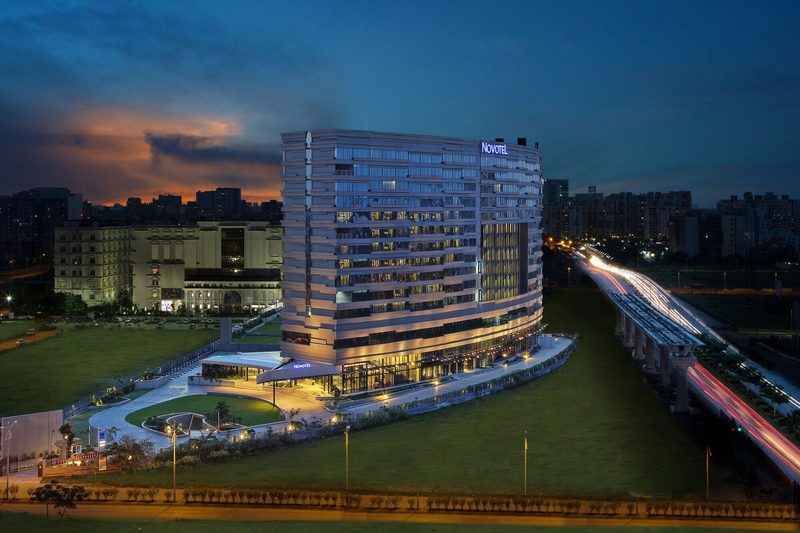
Holiday Inn Express KOLKATA AIRPORT by IHG
From $47 / night
Check Prices on Trip.com →
Packing Checklist
Bookmark this page — your progress is saved between visits
Need the full list with shopping links?
Climate-specific gear, brand recommendations, and what to leave at home.
View Kolkata Packing List →Essential Tips
Insider knowledge and common pitfalls to avoid
Insider Knowledge
The monsoon khichuri ritual is real and you should experience it. When the rain hammers down, and in July, it will, Kolkata families cook khichuri, a soft, spiced rice-and-lentil porridge, served with beguni (battered and fried eggplant slices), fried potatoes, and a fried egg if you're lucky. Hole-in-the-wall eateries across the city put khichuri on their boards specifically on heavy rain days. It's comfort food elevated to civic tradition. Ask any Kolkata local what to eat when it rains and the answer is unanimous.
Kolkata's yellow Ambassador taxis are still the most reliable way to move in monsoon. Ride-hailing apps struggle during heavy rain because drivers cancel on flooded routes. The Ambassador sits higher than most modern cars and the drivers, for the most part, know which roads flood and which don't. Insist on the meter or agree a fare before you get in. Keep small notes handy, because change is always in short supply.
The Hooghly riverfront changes personality in July. The water rises to lap at the lower ghats, the ferries pitch in the current, and the evening light over Howrah Bridge through rain clouds is the image of Kolkata that matches how the city feels. The public ferry from Chandpal Ghat to Howrah is the cheapest and most atmospheric crossing. Stand at the railing. Skip the covered benches. Watch the city skyline rearrange itself as the boat swings through the current.
Kolkata's sweet shops, Balaram Mullick and Radharaman, Girish Chandra Dey and Nakur Chandra Nandy, KC Das, are worth a visit in any month. July brings a specific tradition. Eating mishti when it rains gives you an excuse for an extra stop. A plate of fresh sandesh, pressed from chhena, crumbly and milk-sweet, barely an hour old, sits alongside a clay cup of milky cha. Rain hammers the tin awning overhead. This is a Kolkata moment that doesn't need embellishment. Look for sondesh made with seasonal mango. The better shops fold it into their summer repertoire. It is essential.
Avoid These Mistakes
Do not wear leather shoes or sneakers in monsoon Kolkata. They will be ruined within a day. The waterlogging in areas around New Market, Gariahat, and even parts of Park Street after a downpour goes deep enough to submerge your ankles entirely. Locals wear rubber or synthetic sandals from July through September. Do exactly as they do. It saves your footwear.
Do not assume the rain means writing off the whole day. July's monsoon in Kolkata follows a loose pattern. Mornings are often muggy but dry until mid-morning. The heaviest rain tends to fall between early afternoon and evening. Nights can clear entirely. Plan your outdoor exploration for the 6 AM to noon window. Keep indoor activities for the afternoon. You will lose far fewer days than you expect. The plan holds. Trust it.
Do not skip the food because it looks unfamiliar or the setting looks rough. Kolkata's best monsoon eating happens at stalls and lane-side kitchens that would never pass a Western health inspection but have been feeding the neighborhood for decades. The ilish paturi at a Shyambazar stall, the kati roll from Nizam's near New Market, the phuchka from a cart on Vivekananda Road demand your attention. If you avoid these because the setting unsettles you, you've missed the point of coming to Kolkata. Eat anyway. Ignore the dust.
Short on time? See day trips around Kolkata on GetYourGuide.
Ready to plan your trip to Kolkata?
Now that you've got the research covered, here's where to go next.
Explore More Activities in Kolkata
Didn't see anything interesting yet?
Browse Viator's full catalog of tours, day trips, food experiences, and private guides in Kolkata.
See All Kolkata Tours on Viator